

Most of the time, leadership simply entails going first. State Representative Tina Courpas has just introduced the first bill in this session of the Connecticut General Assembly “to freeze wage and salary increases for state employees for a period of at least two years.” Most Republicans should and will follow.

So should Democrats willing to put the common good before their party interests. They will need courage to buck the vice grip that the public sector unions have on the Democrat party.
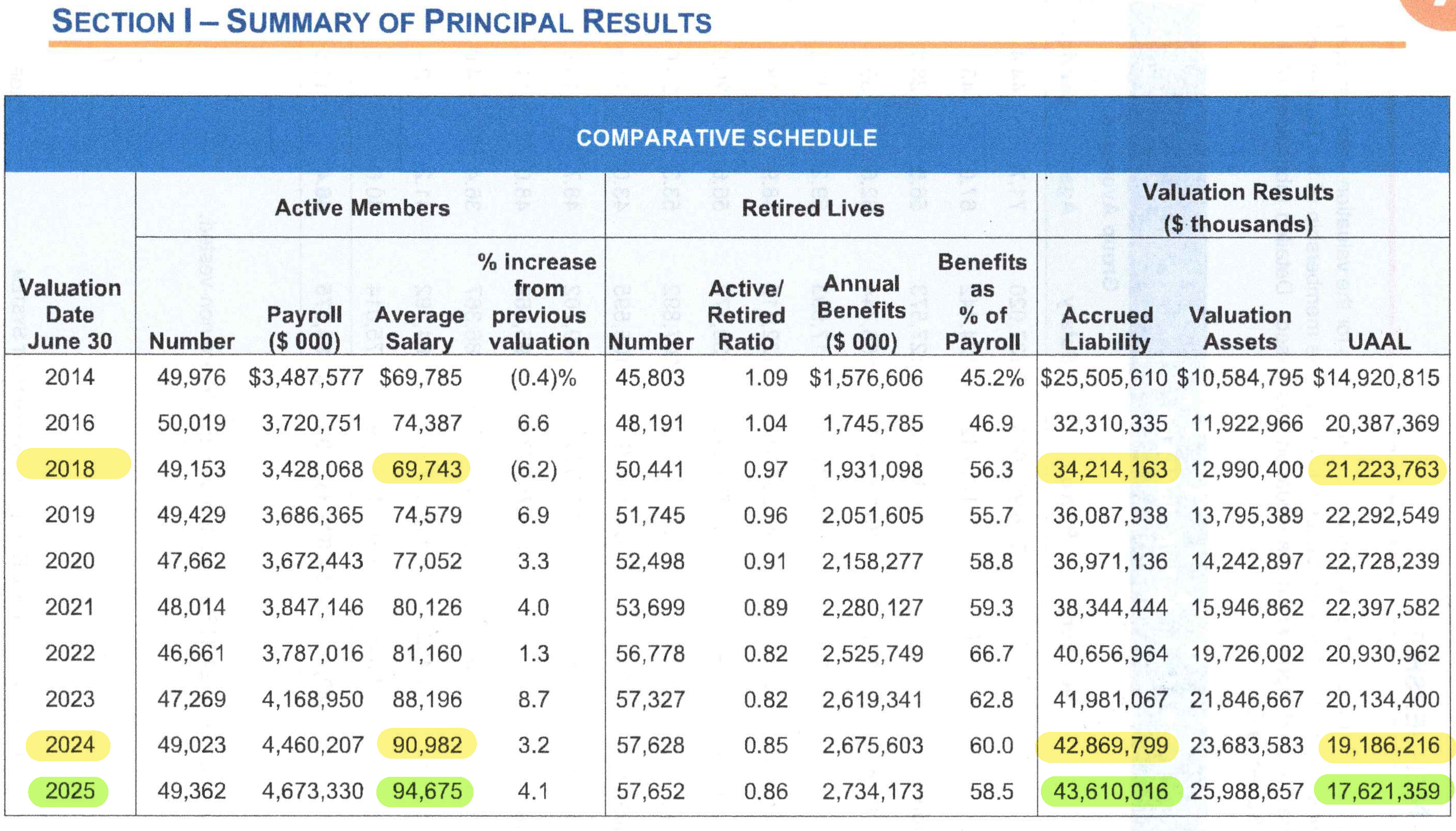
CT state employees have already received six consecutive annual wage increases under Governor Lamont, cumulating to 33%, bringing their current average wages to the grandiose level of $95,000, according to the state’s pension actuary, Cavanaugh MacDonald. That’s enough for a while – specifically, the two years that Rep. Courpas proposes as a minimum.

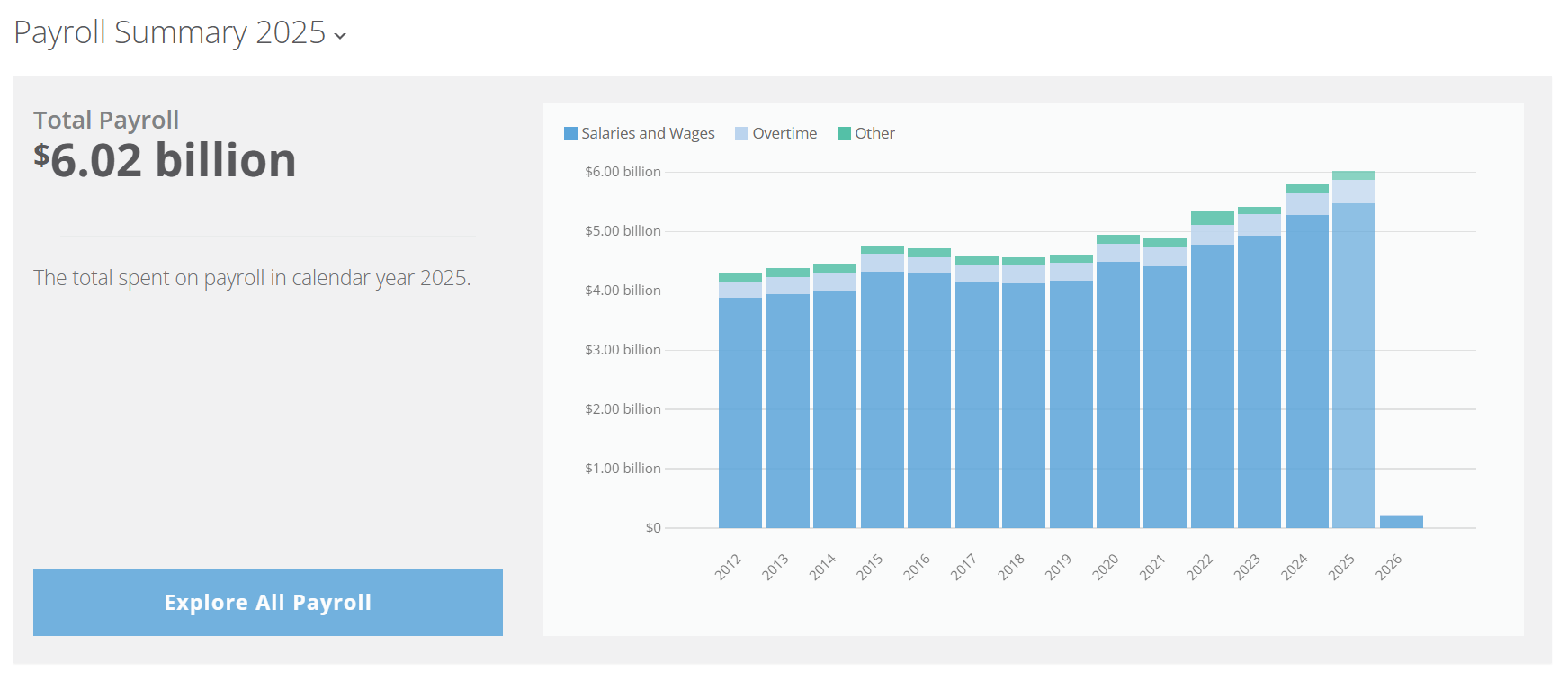
State employee wages and other forms of compensation are the biggest expense in the state budget, exceeding $10.5 billion out of the $28.6 billion current fiscal year budget adopted in the last Assembly session. Wages alone amount to $6.02 billion.
This is not just something happening in some far-away place, though Hartford can seem to be a distant fantasy land. It is something that will hammer citizens’ pocketbooks in each and every one of the state’s 169 towns.
Why? Because state employee wages set the pace for municipal wages. And when municipal wages go up, so do property taxes, which are the only source of revenue from which towns can pay wage increases.
CT’s current average state wage of $95,000 puts enormous pressure on municipalities.
According to OpenGovPay.com (OGP), Connecticut has 393 public sector employers, including the many state agencies and commissions, with an aggregate 182,000 employees. OPG reports an overall average salary in CT’s public sector of only $66,000 (the average includes the much higher state wages).
Local union negotiators threaten towns that they will lose key employees to the state if they do not raise pay and benefits. Labor arbitrators make a very good living going town to town echoing these threats to “nudge” local officials who are trying to hold the line in labor contract negotiations to offer significant pay and benefit increases in order to reach a settlement.
Governor Lamont is oblivious to this dynamic. According to Hearst reporters who caught up with Lamont in Guilford last week, Lamont intends to award state employees another 4.5% wage increase. If for only one year, that would take the cumulative wage increase under Lamont to 39%.
Who knows that he will not propose three years of 4.5% increases as he did in 2022 (later tacking on a fourth 4.5% raise in FY2026). Another three years of such raises would increase the state payroll by a cool $850 million. It would increase the average wage to $108,000. Average pay was $70,000 just before Lamont took office. To get re-elected, Lamont is happy to keep the gravy train rolling down the tracks!
An average state wage of $108,000 would lead inevitably to major municipal wage increases and inexorably to huge property tax increases. Many municipalities in the state are already teetering on the brink of insolvency. Further property tax increases would spell their doom.
If towns raise taxes, they hurt home values. Homeowners have to cut back other spending, hurting the state’s economy. Alternatively, some homeowners decide to sell and join the exodus out of Connecticut to lower cost states. Apart from foreign in-migration (mostly illegal) of 95,000 from 2020 to 2024, the state has seen domestic net outmigration of about 25,000 over the period.
What goes around in Hartford will come around to every town in the state. Before that happens, concerned citizens should contact their representatives in Hartford and urge them to co-sponsor the bill that Rep. Courpas has introduced.



Red Jahncke is a nationally recognized columnist, who writes about politics and policy. His columns appear in numerous national publications, such as The Wall Street Journal, Bloomberg, USA Today, The Hill, Issues & Insights and National Review as well as many Connecticut newspapers.