
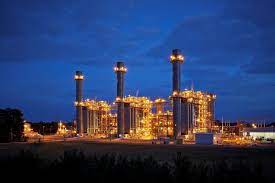
Connecticut residents have been involved in a number of campaigns against new gas-fired power plants, including those in Oxford, Killingly and Wingdale, N.Y. Protesters have asserted the plants are not needed, and will increase air pollution and emissions of climate-changing carbon dioxide. Government policy, however, practically guarantees Connecticut will have an urgent need for the energy these plants will produce, and more.

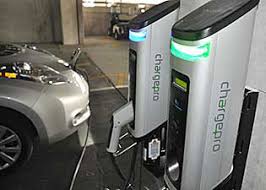
Transportation – Gov. Ned Lamont is pushing hard for use of electric vehicles by consumers and fleets. In April, he joined with 10 other governors in supporting President Biden’s “efforts to improve public health, tackle the climate crisis, and advance environmental justice.” The governors’ letter noted, “Connecticut has committed to an ambitious electric-vehicle (EV) adoption goal of putting between 125,000-150,000 EVs on the road by 2025.” The Lamont administration also is committed to “electrifying our public transit system.” These measures will increase demand on the state’s electrical grid.
“A model utility with two to three million customers would need to invest between $1,700 and $5,800 in grid upgrades per EV through 2030, according to Boston Consulting Group,” Reuters reported last spring. Based on that estimate, Connecticut’s “investment” could reach $870 million if Gov. Lamont’s transportation objective were reached – enough to build one more gas-fired power plant somewhere in Connecticut.
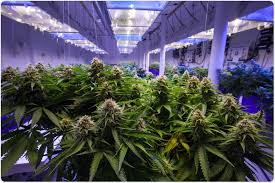
Marijuana production – Connecticut lawmakers didn’t know, and apparently didn’t bother to find out, that the marijuana-legalization law passed this year will have a discernible impact on electrical demand. The subject doesn’t seem to have come up during the state legislature’s debate over legalization, even though concerns about the energy impacts of widespread marijuana productoin were raised as long ago as 2016.
“The electricity consumption associated with marijuana production is high compared to typical business or residential usage,” according to an article published in February 2020 in T&D World (transmission and distribution), a website for utility operators. “The load profile of marijuana production facilities is on par with that of a hospital or data center, which are 50 to 200 times more energy-intensive than the typical office building.”
The article, headlined “Pot Is Not Green,” concluded: “If marijuana cultivation is ever legalized at the federal level, the increase in electricity usage could really be a major concern for utilities.”
Indeed, utility managers have much to be concerned about – as politicians pretend that windmills, solar farms, batteries and unicorn-driven power stations emerge in time to deliver the power required to fulfill the dreams of governors and legislators.



