

The “Lamont Decade” is shaping up to be a golden age for state employees, with Lamont poised to deliver workers a whopping 60% pay raise, or a $2.7 billion payroll increase from $4.6 billion to $7.3 billion over ten years. That’s for slightly less than 50,000 employees.

He needs to be stopped right now. Next November’s election will be too late. Even if defeated, Lamont will have left an indelibly disastrous imprint on the state.
A few days ago, CT Mirror reported that “The administration recently reached tentative, four-year agreements with 10 [union bargaining] units that collectively represent nearly 20,000 state employees.” Lamont released only wage increase information, nothing about reform of COVID-era remote work privileges. Lamont’s spokesman said “Because these negotiations are still underway, we are unable to provide additional comment.”

Lamont wants union members to know he aims to give them four more years of robust 4.5% annual pay raises comprised of a 2.5% general wage increase (GWI) plus a 2.0% “step increase,” a deal identical to the one he gave them four years ago, which followed two years of 5.5% increases. These ten increases compound to about 60%.
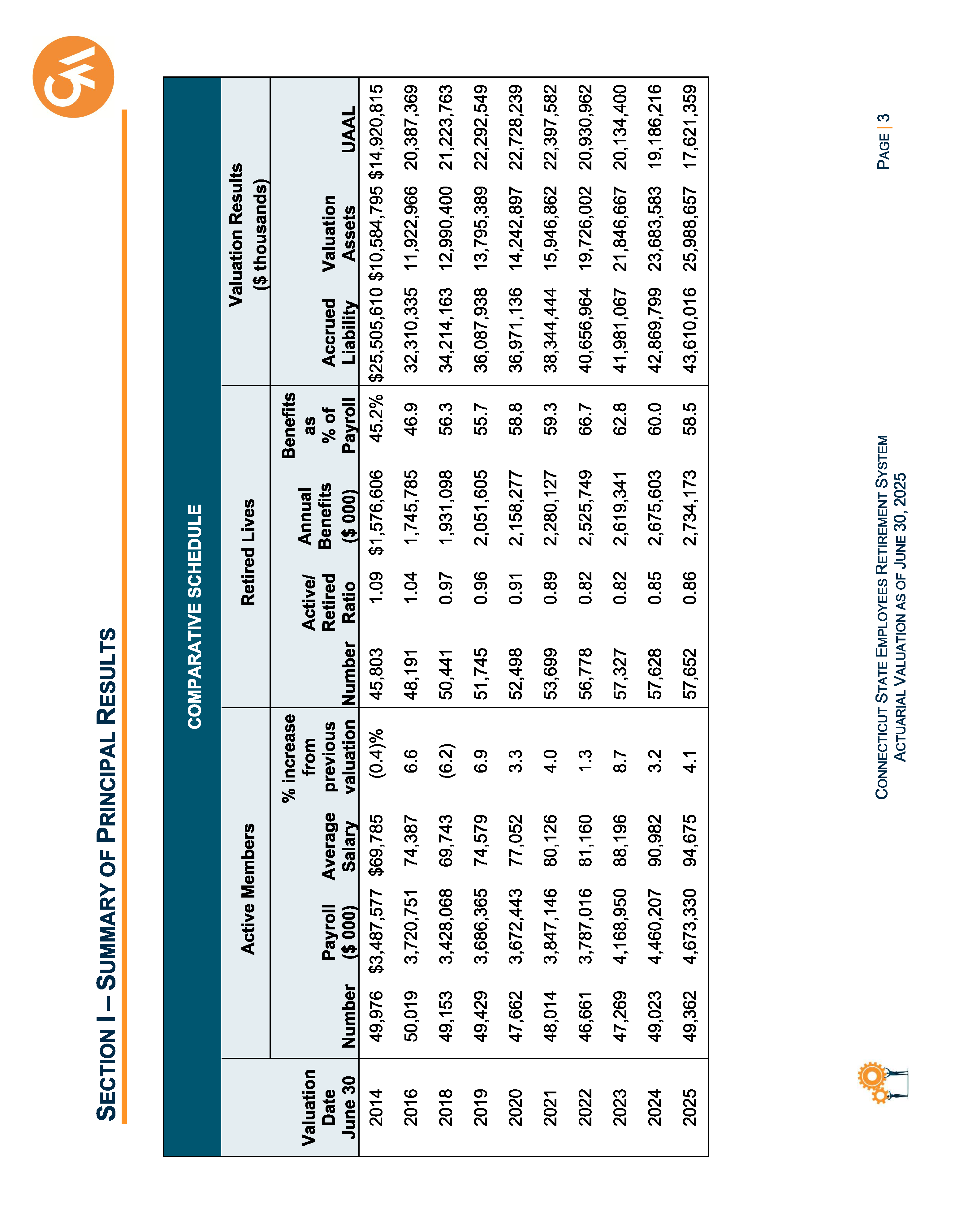
The first 6 years have already delivered state employees a 33% compound wage increase, elevating their average salary from about $70,000 to $95,000 and increasing the state’s payroll from $4.6 billion to over $6.0 billion. The latest 50-state ranking finds Connecticut state employees with the second highest average wages.
What does this all mean?
It is not just a massive payroll increase. Pension obligations would skyrocket, since pensions are based on wages. The six-year 33% wage increase has already added $21.3 billion to the gross liabilities of the State Employee Retirement System (SERS) pension fund, according to a Nutmeg Research study conducted by The Townsend Group, of which I am President.
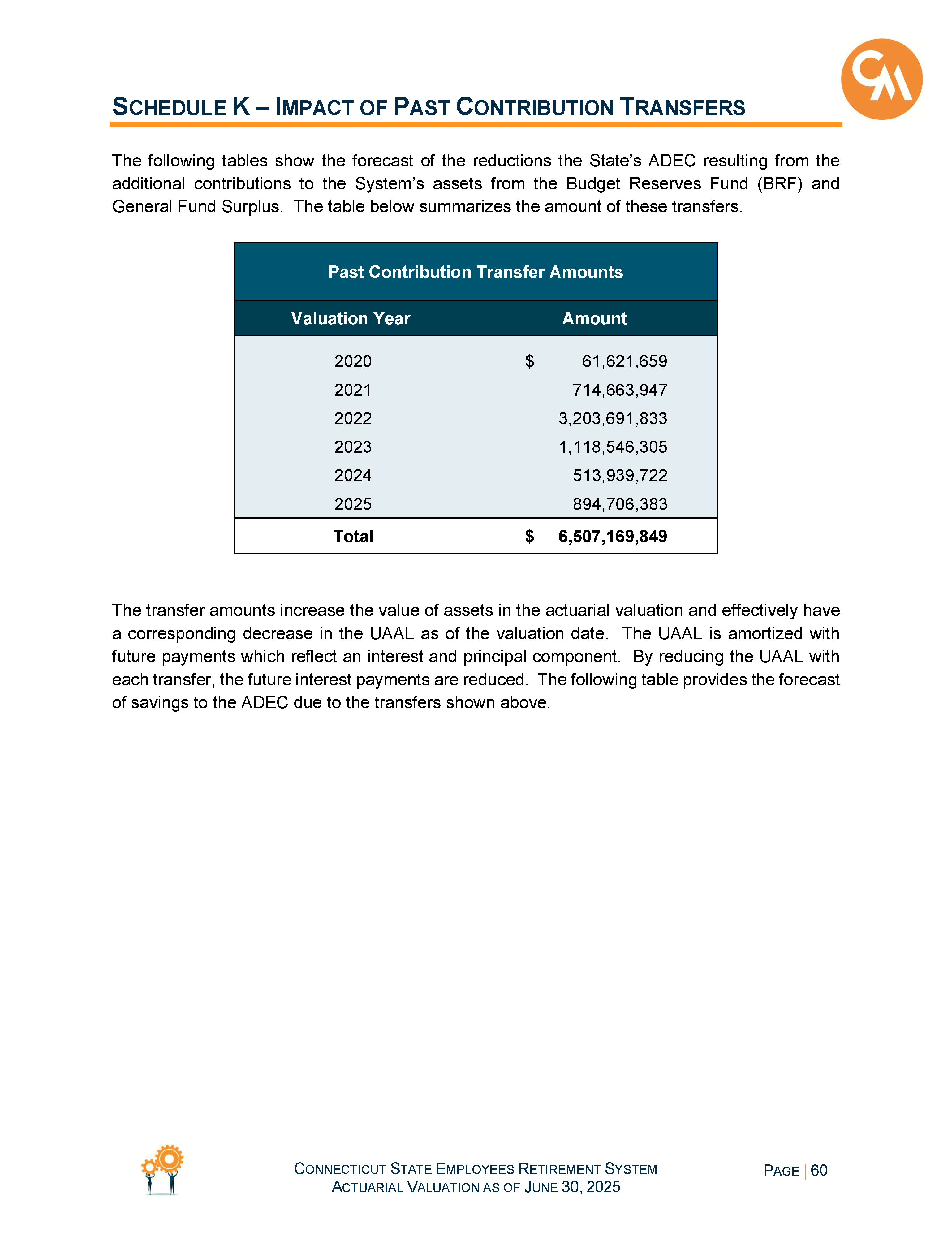
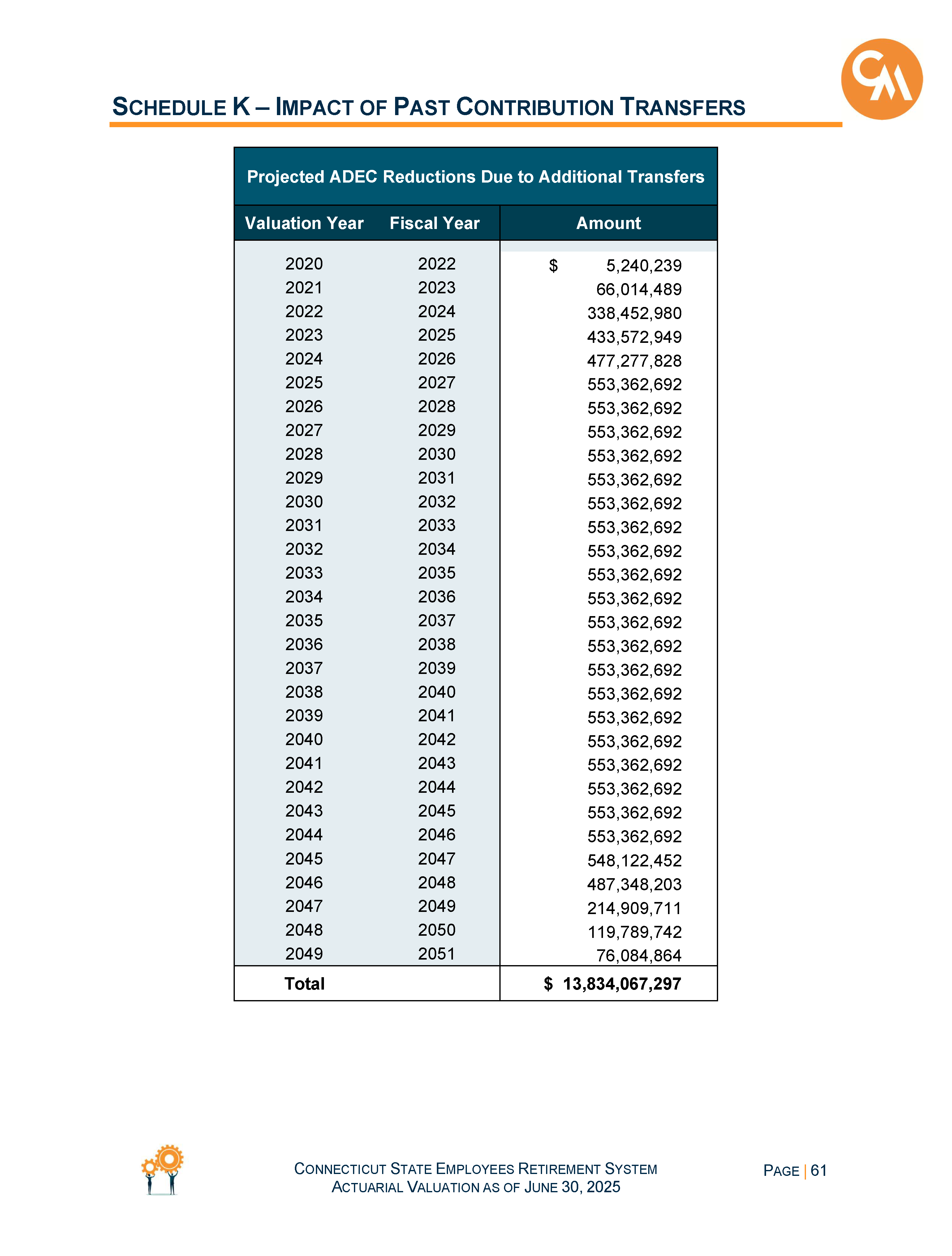
This massive increase in pension liabilities has been offset only partially by the positive impact of $6.5 billion in special deposits into the SERS pension fund resulting from the fiscal guardrails — guardrails which Lamont and the Democrats have just weakened.
The state’s outside actuary has found the positive impact of the special deposits to be only $13.8 billion; see table 1 and table 2 of Schedule K of the latest actuarial report. Section I of that report shows the net effect of wage increases versus special deposits: the accrued pension liability has increased $7.5 billion.
While SERS pension funding has improved with assets having increased, their appreciation is simply a function of the stock market’s rocket ride during Lamont’s time in office. Much was made recently about the state earning a 14% return on pension assets, but that just tracked the general stock market advance. The stock market is not always going to go up.
Citizens should also consider the 60% pay hike within a broader context. If there’s so much money available to provide state employees such lavish compensation, why did the Governor request a special $500 million emergency fund to blunt the impact of cutbacks in federal aid? Should state employees continue to get over-market pay if there is a crisis concerning federal cutbacks?
Furthermore, citizens should realize that the state hires employees from the same labor pool as their own municipality, so state wage increases put real pressure on town employee wages. Towns can only fund town pay raises by increasing property taxes.
Private businesses also hire from the same labor pool. Is it any wonder that there are regular news reports about businesses leaving the state (the latest departure being a 300-employee Stanley Works plant), but never any reports of businesses expanding in the state or entering the state?
The only businesses expanding are defense contractors, which are impervious to state economics. Electric Boat is going great guns. Pratt & Whitney and Sikorsky are thriving, but still moving operations gradually out of state. Once the Insurance Capitol, Hartford is no longer. The third leg barely holding up the state economy is Fairfield County investment professionals, who can move out of state in an instant.
What to do? Lamont’s “tentative agreements” require General Assembly approval (even here there’s a dodge, but not enough room here to explain). Citizens should contact their elected representatives in Hartford and demand a state employee wage freeze. The 33% pay raise already received is much more than enough. 60% is beyond the pale.



Red Jahncke is a nationally recognized columnist, who writes about politics and policy. His columns appear in numerous national publications, such as The Wall Street Journal, Bloomberg, USA Today, The Hill, Issues & Insights and National Review as well as many Connecticut newspapers.